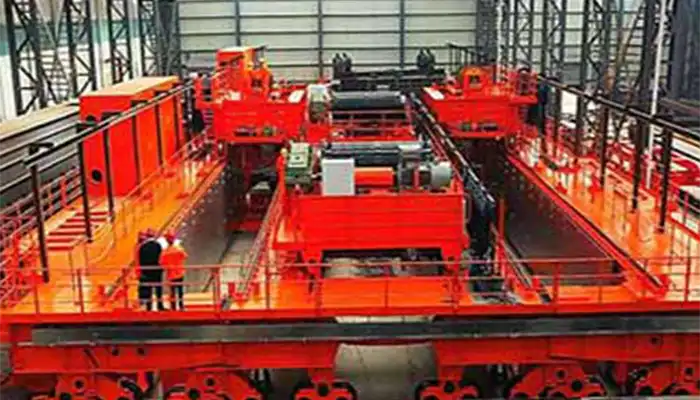
Heat Protection Design for BOF Metallurgical Cranes India
menu_open
Content Quick Link
Heat Protection Design for Metallurgical Overhead Cranes in Indian BOF Shops
Most Important Takeaway
In Indian BOF shops, cranes work under some of the harshest conditions in the steel industry—extreme heat, radiant energy from molten steel, dust, and slag splatter. Choosing cranes with thermal insulation, heat shields, cable protection, and motor cooling isn’t just a technical choice—it’s a practical business decision. Protecting your cranes ensures reliable operations, safer workplaces, and a long-term return on investment, earning trust from your workforce and stakeholders alike.
Key Takeaways
- Proper thermal insulation shields crane structures and electrical systems from high temperatures.
- Heat shields reduce wear on critical components and protect operators from radiant heat.
- Cable and motor protection prevent downtime, even in India’s high-heat and dusty BOF environments.
- Integrated heat protection increases crane lifespan, lowers maintenance costs, and improves operational efficiency.
Questions Solved Here:
- How can BOF cranes survive extreme heat in Indian steel yards?
- What practical measures protect motors, cables, and hoists from thermal damage?
- How can Indian operators maintain productivity safely in high-temperature environments?
- How can crane investment be aligned with yard needs, safety norms, and long-term reliability?
Thermal Insulation: Protecting Critical Crane Components
In Indian BOF shops, temperatures near molten steel can easily exceed 1,500°C in localized areas. Even at a distance, radiant heat and hot air can warp crane girders, degrade paint, and damage electrical components. That’s why thermal insulation isn’t optional—it’s a must. A properly insulated crane keeps hoists, load chains, motors, and control cabins safe, extending equipment life and avoiding costly downtime.
Practical Advice for Indian BOF Plants:
- Use ceramic blankets or refractory panels to shield structural girders, trolleys, and hoists from radiant heat. These materials can tolerate repeated thermal cycles and protect against direct heat exposure.
- Insulate load chains, hoists, and cabins. Heat can reduce chain strength, affect wire rope flexibility, and overheat electrical cabinets. Proper insulation ensures these components perform reliably over long shifts.
- Inspect insulation regularly. Look for cracks, burns, or compression in ceramic blankets and panels. Early detection prevents larger problems and keeps operations on schedule.
- Plan replacement schedules based on usage and duty cycles, especially in high-frequency yards common in Indian steel plants.
For Indian steel operations, this is a practical, no-nonsense approach. Proper insulation helps cranes withstand long shifts in extreme heat, reduces maintenance interruptions, and keeps production running smoothly, even during peak summer months or monsoon-season humidity.
Heat Shields: Deflecting Radiant Energy
In Indian BOF shops, overhead cranes operate near furnaces where radiant heat can reach thousands of degrees. Even without direct contact, this heat can warp crane components, damage motors, and make operator cabins uncomfortably hot. Heat shields serve as a physical barrier, protecting critical crane parts and keeping operators safe.
Implementation Tips for Indian Steel Yards:
- Install shields on girders, trolley platforms, and motor housings. Position them where heat exposure is highest. Proper placement ensures that the crane structure and moving parts are shielded from repeated thermal stress.
- Use reflective stainless steel panels. These panels bounce radiant heat away instead of absorbing it. Reflective surfaces are particularly effective in high-temperature Indian BOF environments, reducing component degradation over time.
- Shield control cabins to protect operators. Operators in Indian steel plants often work long shifts near furnaces. Well-placed shields maintain cabin comfort, reduce fatigue, and improve safety without slowing operations.
- Consider modular or removable designs. Some Indian plants prefer shields that can be cleaned or replaced quickly, especially in dusty or slag-prone environments. This simplifies maintenance and keeps downtime low.
- Coordinate with crane layout and workflow. Shields should not obstruct crane movement, trolley travel, or maintenance access. Planning their placement ensures both protection and operational efficiency.
In India, a crane equipped with robust heat shields signals practical care for both workforce and assets. Operators feel safer, maintenance teams spend less time repairing heat-damaged components, and management gains confidence that the crane can handle high-frequency BOF operations reliably. This combination of safety and reliability fosters trust across the plant community, which is highly valued in Indian steel operations.
Cable and Electrical Protection: Keeping Power and Controls Safe
In Indian BOF shops, overhead crane cables face a tough environment. High temperatures, dust, slag, and occasional sparks can quickly degrade standard wiring, causing shorts, motor failure, or unplanned downtime. Protecting electrical systems is critical to keep cranes running smoothly and safely, especially in high-frequency operations.
Practical Measures for Indian Steel Yards:
- Use heat-resistant cables and route them carefully. Avoid direct exposure to furnace radiant heat. In Indian BOF shops, proper routing can prevent insulation damage and extend cable life.
- Shield cables with insulating sleeves and heat-resistant trays. This adds an extra layer of protection against radiant heat, slag spatter, and abrasive dust. Cable trays should be positioned to minimize bending and friction, reducing wear.
- Schedule regular inspections. Inspect cables for cracks, discoloration, or worn insulation. Preventive maintenance helps catch potential failures before they disrupt production.
- Plan for local spares and replacements. Using cables and connectors available from Indian suppliers reduces downtime and ensures faster repairs.
- Avoid overcrowding cable runs. Overloaded or tightly packed cables can trap heat, increasing the risk of insulation failure in high-temperature BOF environments.
This straightforward approach ensures continuous crane operation in India’s challenging metallurgical conditions. With well-protected cables and electrical systems, plants can avoid unexpected downtime, maintain high productivity, and reduce maintenance costs, which is critical for smooth steel production cycles.
Motor Cooling Systems: Preventing Overheating in High-Heat Environments
In Indian BOF shops, crane motors face a double challenge: they generate heat during operation, and they are exposed to radiant heat from molten steel and hot gases. Without proper cooling, motors can overheat or fail, leading to costly production delays and unplanned maintenance. Ensuring motors stay within safe operating temperatures is critical for continuous, reliable operations.
Practical Solutions for Indian Steel Yards:
- Use forced-air or water-cooled motor systems. Forced-air systems help circulate cooler air over motor housings, while water-cooled motors are effective in high-duty, high-temperature conditions typical of Indian BOF shops.
- Protect housings with heat shields and ventilated enclosures. Shields prevent direct radiant heat from reaching the motor, and ventilation ensures trapped heat can escape, extending motor life.
- Integrate temperature sensors and alarms. Sensors can alert operators or automatically shut down the motor if it reaches unsafe temperatures, preventing damage before it becomes costly.
- Regular cleaning of cooling fans and vents. Dust, slag, and soot can block airflow over time, especially in Indian yards with high ambient dust levels, so maintenance ensures consistent cooling efficiency.
- Plan motor placement and orientation carefully. Position motors away from the most intense heat zones where possible, and avoid obstructing airflow around housings.
In Indian steel yards, well-cooled motors keep cranes running across multiple shifts without interruption, protect expensive equipment, and maintain production schedules. It’s a practical investment that reduces downtime, lowers maintenance costs, and ensures operators can rely on their cranes day after day.
Integrating Heat Protection Measures: A Holistic Approach for Indian BOF Cranes
In Indian BOF shops, individual heat protection strategies—thermal insulation, heat shields, cable protection, and motor cooling—work best when combined into a single, integrated design. Treating these measures as separate afterthoughts can leave vulnerabilities, leading to unexpected downtime or faster wear of critical components.
Practical Tips for Indian Steel Plants:
- Plan crane layout for optimal airflow. Make sure that insulation, shields, and motor enclosures don’t block ventilation. Even small adjustments in positioning can reduce heat exposure significantly.
- Use high-temperature-rated components. Select materials and systems designed for continuous, heavy-duty use in Indian BOF environments, including resistant cables, refractory panels, and heat-resistant paint.
- Align preventive maintenance with operational schedules. Plan inspections and replacements during planned plant downtime or shifts with lower activity to avoid disrupting steel production.
- Simplify access for cleaning and inspection. Dust, slag, and soot build-up is common in Indian yards; designs that allow easy removal of debris extend component life and reduce maintenance time.
- Train operators and maintenance teams. Make sure staff understand how each heat protection measure works and why regular checks are necessary. Practical knowledge is as important as the hardware itself.
An integrated heat protection approach safeguards both people and equipment. For Indian steel plant operators, it reflects practicality, foresight, and a commitment to workforce safety, while also building trust across the plant community. Ultimately, a well-protected crane operates reliably, reduces unexpected repairs, and ensures smoother production cycles—saving both time and money.
Frequently Asked Questions (FAQ) – Heat Protection for Indian BOF Cranes
Q1: How can overhead cranes survive extreme heat in Indian BOF shops?
A: A combination of thermal insulation, heat shields, cable protection, and motor cooling keeps cranes safe from radiant heat and high temperatures. Insulating girders, shielding critical components, and ventilating motors ensures equipment runs reliably even near molten steel.
Q2: How can motors and cables be protected in high-heat conditions?
A: Use heat-resistant cables, route them away from furnaces, and protect them with insulating sleeves or trays. Motors should have ventilated housings, heat shields, and optionally water or forced-air cooling. Regular inspections prevent failures before they impact production.
Q3: How can operators work safely in hot BOF environments?
A: Heat shields over cabins and trolley platforms deflect radiant energy, keeping operators comfortable and reducing fatigue. Temperature sensors and alarms provide early warnings if equipment is overheating, helping staff act quickly and safely.
Q4: How do heat protection measures improve ROI for Indian steel plants?
A: Proper heat protection reduces unplanned downtime, extends component life, and lowers maintenance costs. Reliable cranes keep production running smoothly, improve workplace safety, and deliver a long-term return on investment, making operations more efficient and predictable.
Conclusion: Heat Protection for Indian BOF Cranes
- Essential for Operations: Thermal insulation, heat shields, cable protection, and motor cooling keep cranes running safely near furnaces.
- Builds Confidence: Integrated heat protection reduces downtime, lowers maintenance costs, and earns trust with operators and stakeholders.
- Long-Term Value: Well-protected cranes ensure reliable performance, safe operations, and smoother production cycles, delivering strong ROI.
Bottom Line: In Indian BOF shops, a crane with proper heat protection is more than equipment—it’s a reliable partner in maintaining productivity, safety, and profitability.

Article by Bella ,who has been in the hoist and crane field since 2016. Bella provides overhead crane & gantry crane consultation services for clients who need a customized overhead travelling crane solution.Contact her to get free consultation.